
Message from the CEO
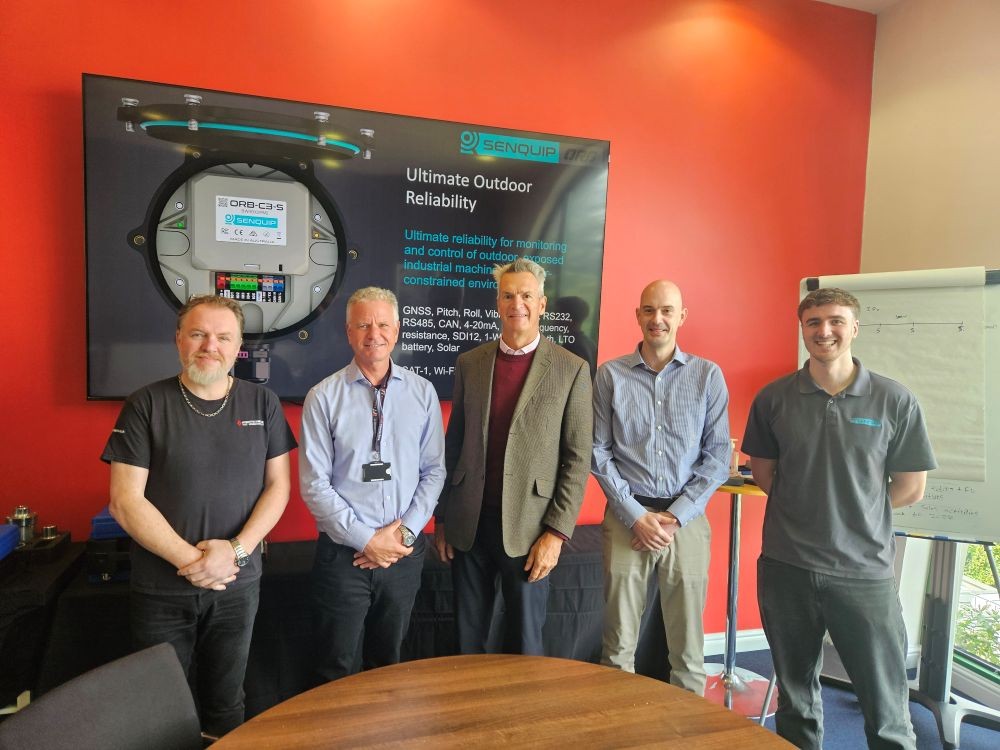
Over the past few months I’ve spent time with customers and partners across Australia, the USA, and Europe. A few themes have emerged.
Cybersecurity is now a major focus, particularly in Europe where CE RED cybersecurity requirements are driving product redesigns and, in some cases, the withdrawal of non-compliant products from the market.
Customers are demanding deeper integration, with telemetry data flowing directly into business systems, dashboards and operational workflows.
This quarter’s newsletter explores these trends, along with developments in AI-assisted engineering, connectivity and the next generation of Senquip products.
Thank you for your continued support.
Norman Ballard
CEO, Senquip
Introducing UNI – Capability at Scale
UNI was developed for OEMs building machines in volume.
While these applications require the connectivity and reliability that Senquip is known for, they don’t always need the full feature set of the ORB or QUAD.
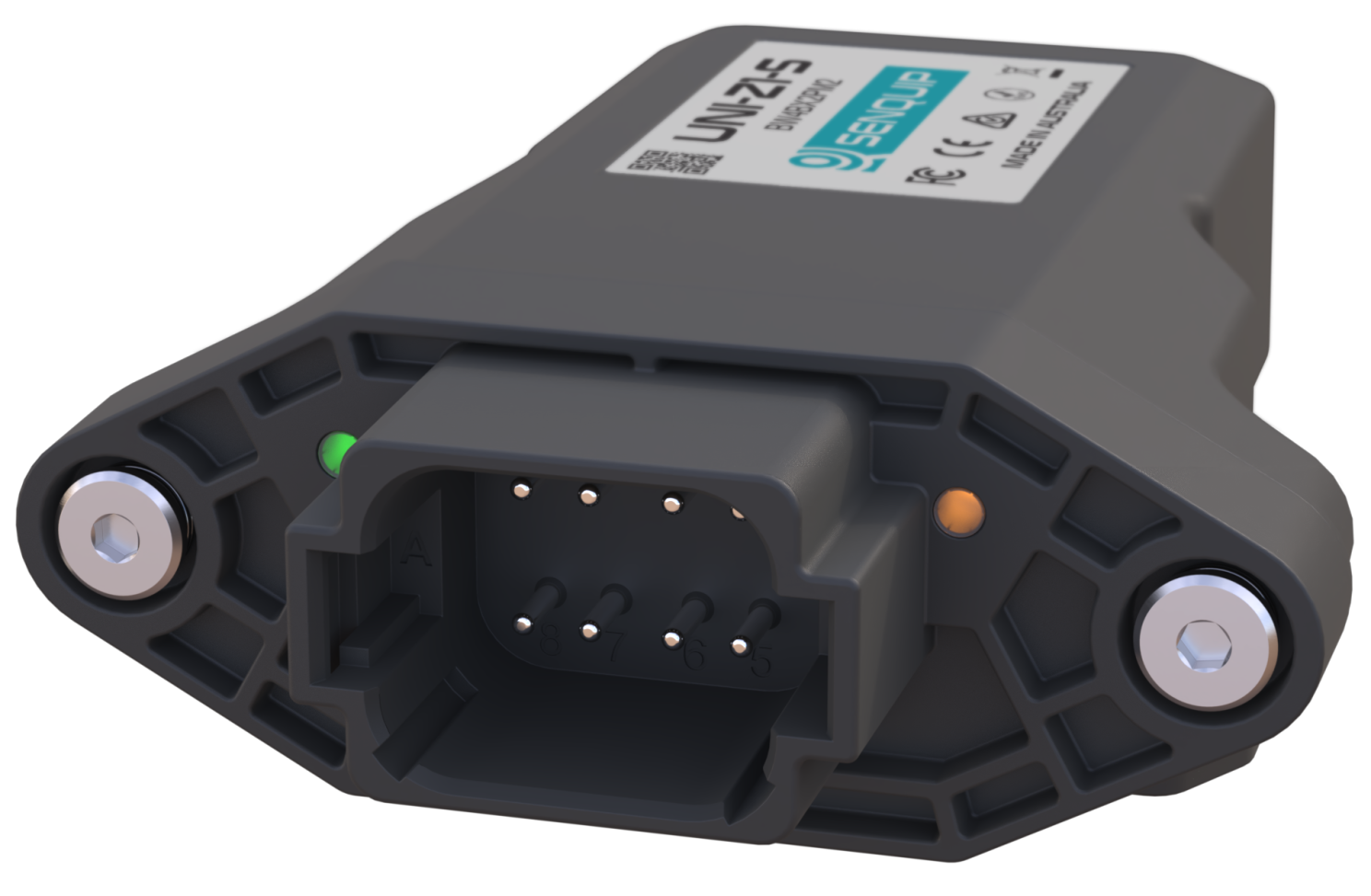
The result is UNI: a compact, cost-effective telemetry device designed specifically for repeatable machine designs and large-scale deployment.
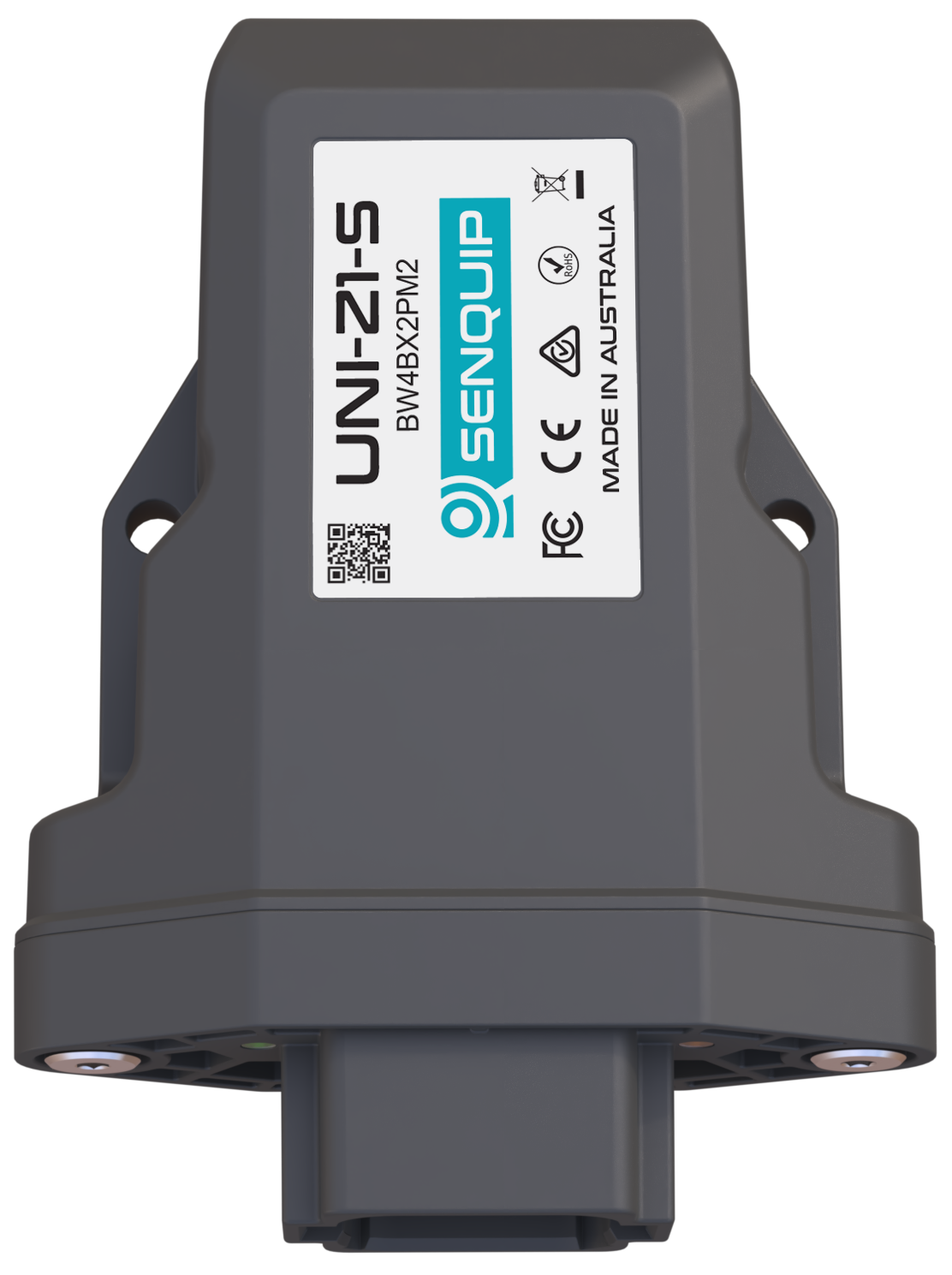
UNI is ideally suited to generators, utility vehicles, forklifts, elevated work platforms and other equipment where simplicity, reliability and scalability are critical.
We’re pleased to see distributors already beginning to introduce UNI to their customers and look forward to sharing more details in the coming months.
What is CE RED Cybersecurity?
Most manufacturers are familiar with CE requirements for EMC, electrical safety and radio performance. However, connected products sold into Europe must now also meet cybersecurity requirements.

The new RED cybersecurity requirements apply to products incorporating radio technologies such as cellular, Wi-Fi and Bluetooth. Manufacturers must demonstrate that their products are resistant to unauthorised access, protect user data and remain secure throughout their operational life.
This extends beyond the device itself. Password management, device authentication, encrypted communications, firmware updates, cloud services and vulnerability management may all form part of a compliance assessment.
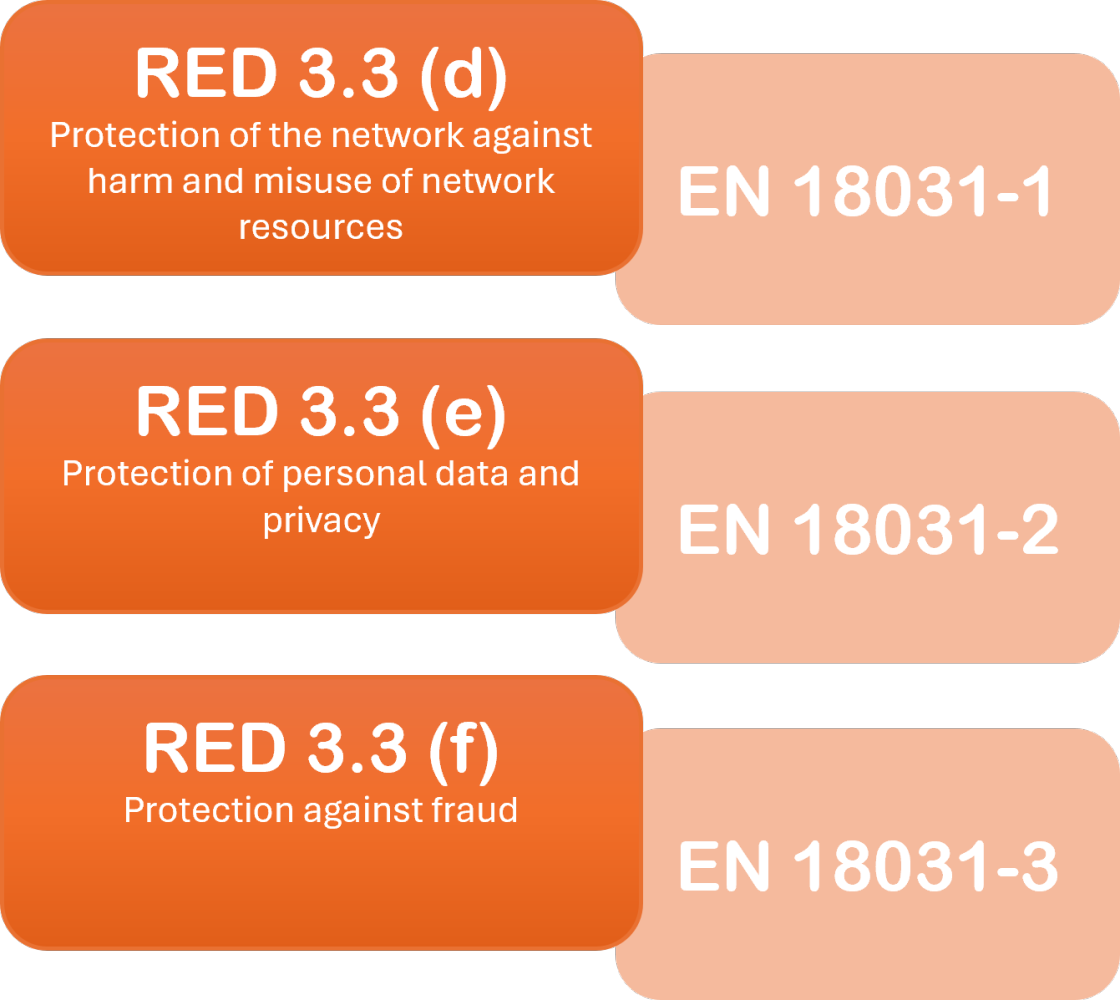
The impact is significant. Products that were previously compliant may now require changes to firmware, cloud infrastructure, manufacturing processes and development procedures before they can continue to be sold in Europe.
For many manufacturers, cybersecurity has become the fourth pillar of product compliance alongside EMC, electrical safety and radio performance.
The message is clear: cybersecurity is no longer optional. It is now a regulatory requirement.
Cybersecurity by Design at Senquip
The new RED cybersecurity requirements are having a real impact on the industrial IoT industry. Manufacturers are being forced to review everything from password management and device authentication through to firmware updates and cloud security.
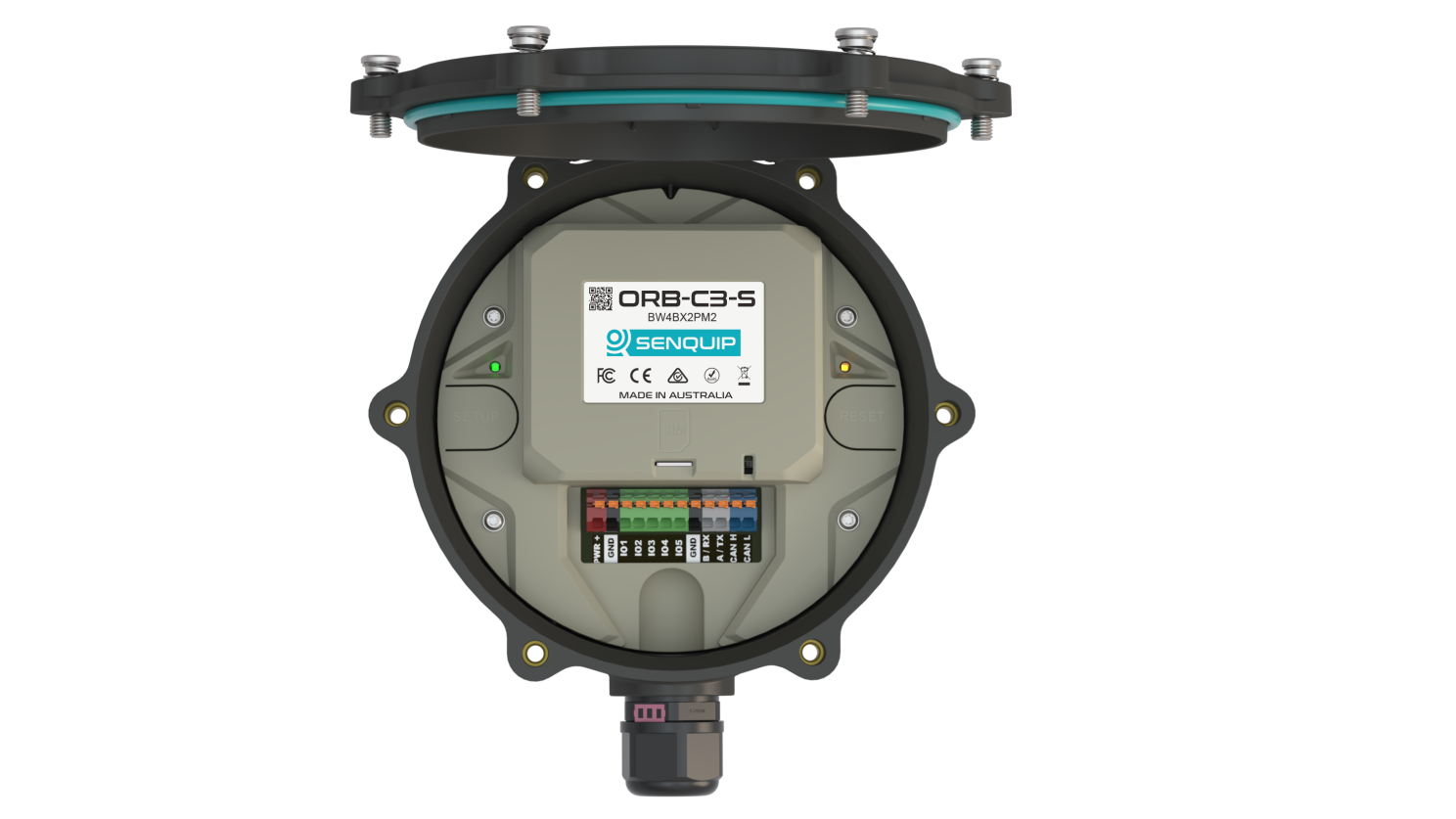
At Senquip, cybersecurity has been a major focus during the development of our next generation of ORB, QUAD and UNI products, which are currently progressing through certification.
This work extends far beyond adding encryption or stronger passwords. It includes unique device identities, secure ownership management, authenticated cloud communications, Secure Boot, Flash Encryption and processes for managing security vulnerabilities throughout a product’s life.
Many of these features are largely invisible to users, but they are essential to protecting devices against unauthorised access and ensuring software running on a device can be trusted.
The result is a product range designed not only to meet today’s cybersecurity requirements, but also to support the increasingly connected and integrated systems our customers rely on.
Reading Pressure from a BLE Sensor Without Connecting
One of the strengths of the Senquip scripting environment is the ability to work directly with Bluetooth Low Energy (BLE) advertisement packets.
Recently we integrated the Hydrotechnik WLB-PT wireless pressure sensor with a Senquip device. Rather than establishing and maintaining a BLE connection, the Senquip device simply listens to the sensor’s advertisement broadcasts and extracts the pressure reading directly from the packet payload.
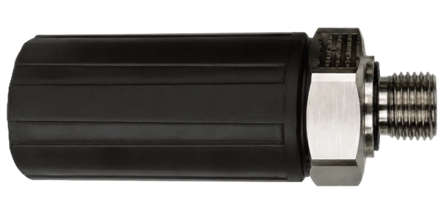
This approach has several advantages:
- No BLE connection management
- Lower power consumption
- Reduced communications overhead
- Faster response to sensor updates
- Ability to monitor multiple sensors simultaneously
The implementation described in our new application note demonstrates two approaches.
The first uses Senquip’s built-in BLE advertisement collection, making implementation extremely simple.
The second uses the Senquip GAP API directly. By applying a hardware-level name filter, only advertisements from the target sensor are passed to the script. Unwanted BLE traffic is discarded by the BLE controller before it reaches the application, reducing processing overhead and improving efficiency.
The complete implementation is available in Application Note APN0049Connecting to a BLE Pressure Sensor.
Partner Spotlight: Techno Gamma

One of the highlights of my recent European visit was spending time with the team at Techno Gamma in the Netherlands.
Over the past few years, Techno Gamma has grown from a distributor into a true technical partner, helping customers integrate Senquip devices into increasingly sophisticated applications.
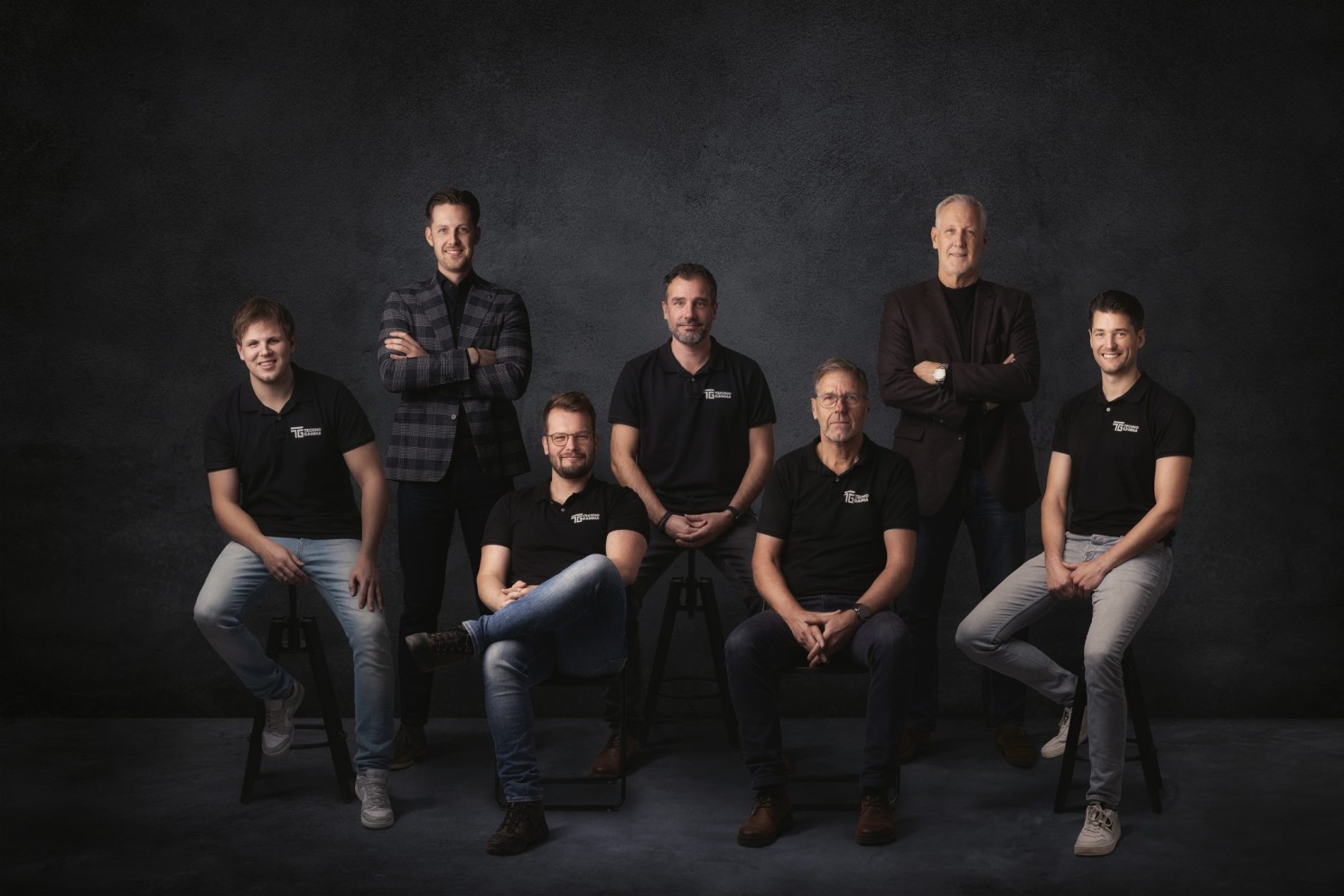
Techno Gamma doesn’t simply sell products. They invest time understanding customer requirements, developing solutions and ensuring projects are successful long after the hardware has been delivered.
As Senquip continues to grow throughout Europe, partners like Techno Gamma play a critical role in helping customers get the most from their telemetry systems. We look forward to continuing this successful partnership and supporting the exciting projects that lie ahead.
One Platform, Three Products
As Senquip’s product range evolves, the distinction between ORB, QUAD and UNI is becoming clearer.
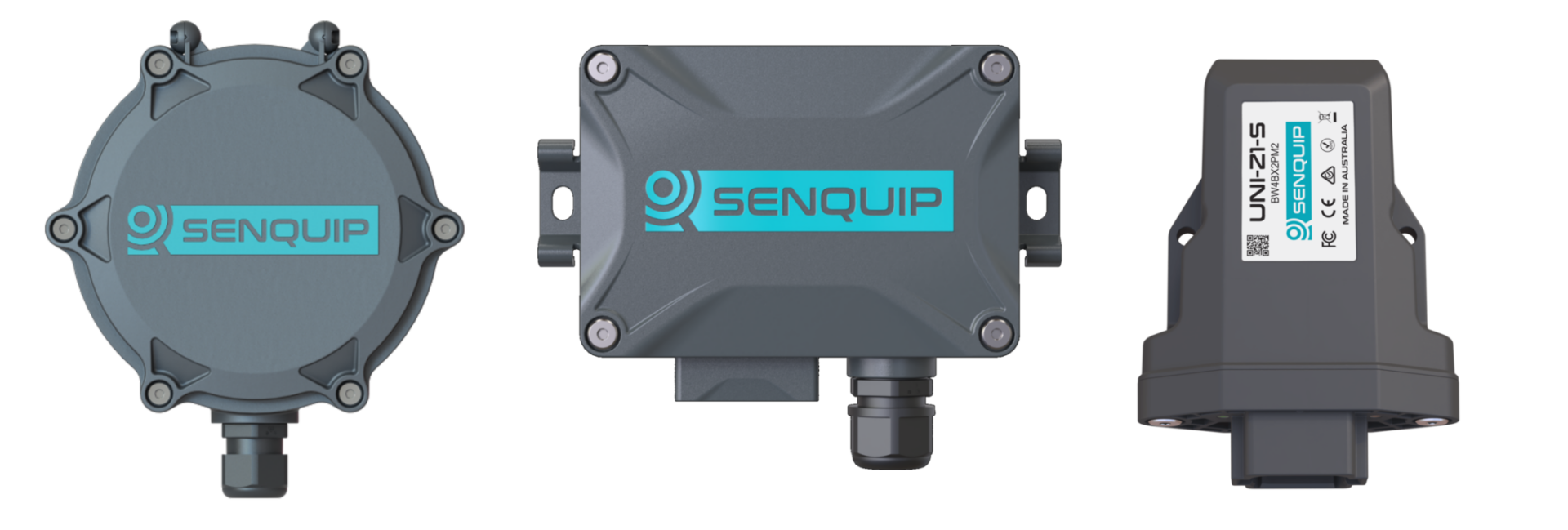
ORB is designed for outdoor assets and remote infrastructure. With its larger backup battery, internal antennas and rugged enclosure, it is ideally suited to solar-powered installations, environmental monitoring, tanks, pumps and other exposed applications where reliability is paramount.
QUAD is designed for advanced machine integration. Dual CAN interfaces, expanded memory and flexible I/O make it the ideal choice for complex machines requiring deep integration, control and custom logic.
UNI is designed for OEM deployment at scale. Its compact form factor and simplified architecture make it well suited to generators, lighting towers, compressors and other repeatable machine designs produced in larger volumes.
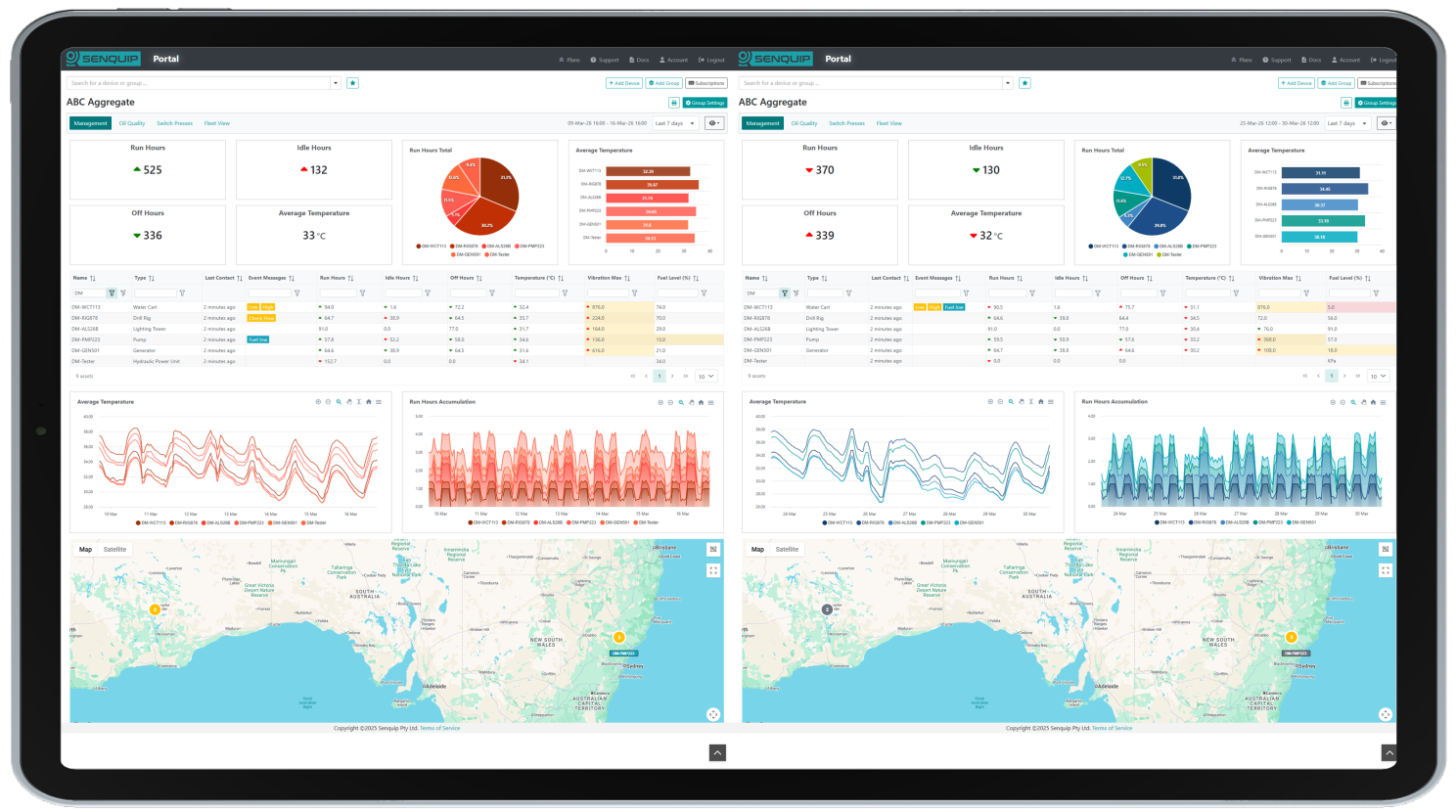
All three products share the same Senquip Portal, APIs, scripting environment and user experience. The difference is not in what market they serve, but in how they are optimised to solve different customer problems.
Over the coming months we’ll be sharing more details as the next generation of ORB, QUAD and UNI approaches release.
Real-Time Data Push Webhooks
Senquip devices can now push telemetry data directly to customer systems using HTTP(S) webhooks.
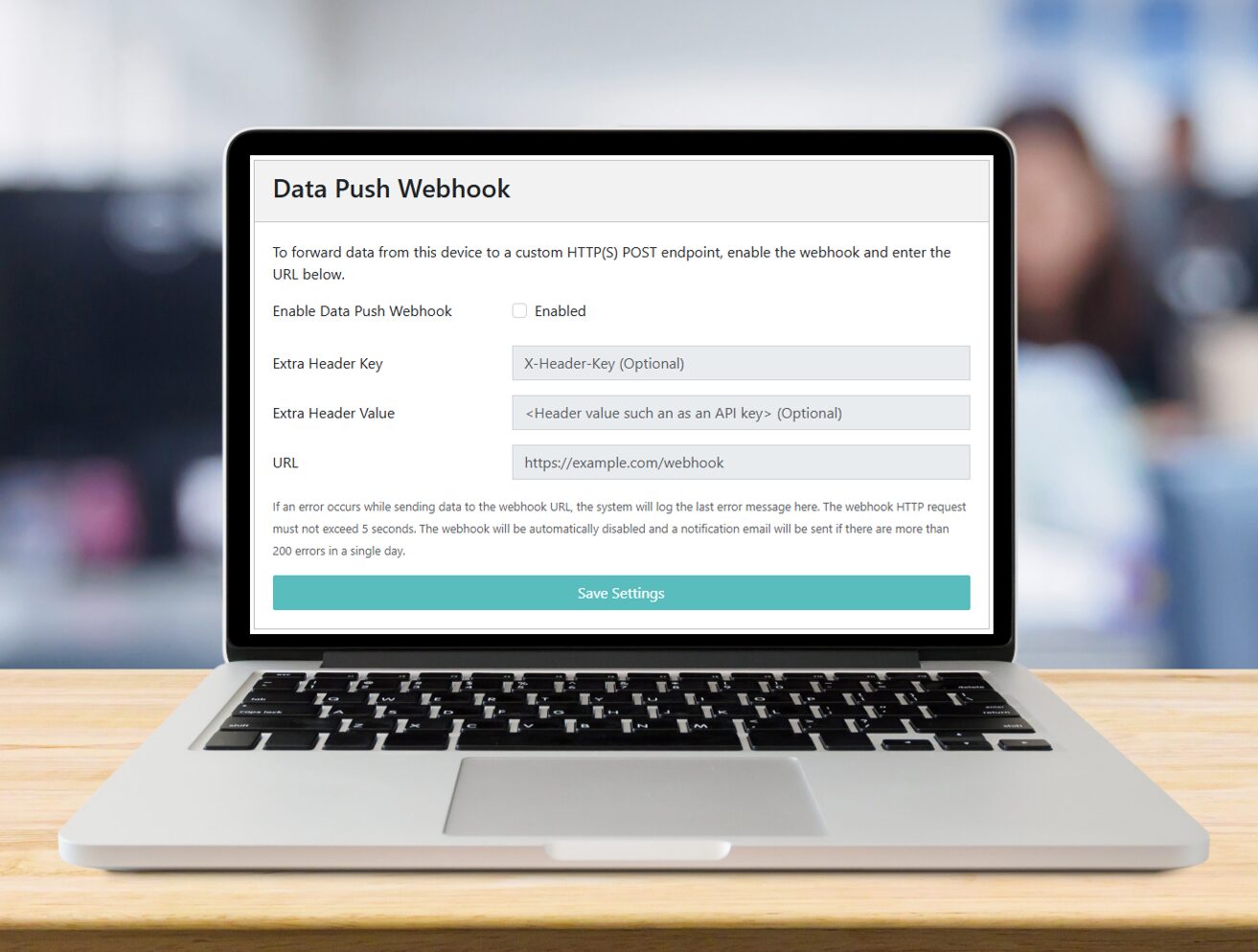
Previously, integrations typically relied on periodic API requests to retrieve data from the Senquip Cloud. With Data Push Webhooks, device data can be forwarded automatically to a customer-defined endpoint as soon as it is received.
This simplifies integration with:
- SCADA systems
- Asset management platforms
- ERP systems
- Custom dashboards
- Third-party cloud applications
Webhook requests support HTTPS and optional custom headers for API key authentication.
Data Push Webhooks complement the existing Senquip API, providing customers with both polling and event-driven integration options.
What We’re Hearing from Europe
In May, I visited customers and partners across the United Kingdom, Netherlands and Germany to deliver training, discuss future products and better understand market requirements.
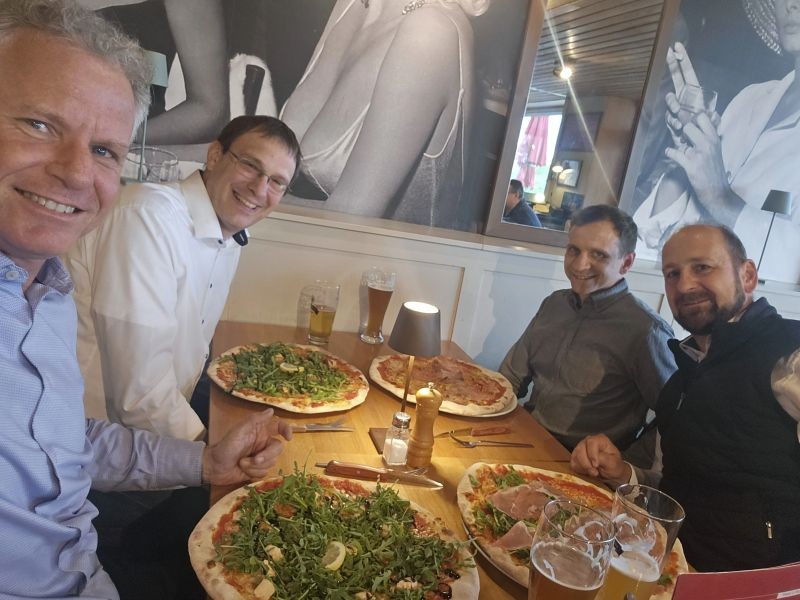
Several themes emerged consistently.
Integration: Customers increasingly want telemetry data delivered directly into their own systems, whether that be SCADA platforms, business software or custom applications. This feedback has helped shape recent enhancements, including our new Data Push Webhook capability.
Simplicity: Customers are increasingly looking for complete solutions that include hardware, connectivity and software. Managing devices, SIMs, networks and integrations separately adds complexity that many customers would rather avoid.
Cybersecurity: With new European cybersecurity requirements now in force, security is no longer viewed as a feature – it is becoming a fundamental requirement.
These discussions play an important role in shaping our product roadmap and ensuring we continue to solve real-world problems for our customers.
AI as an Engineering Tool
Like many engineers, I’ve been cautious about relying too heavily on AI.
Recently, we integrated a BLE pressure sensor with a Senquip device. The challenge was that there was no documented packet format, no sample code and no prior implementation.
Working with Claude, we captured advertisement packets, applied known pressures and identified which bytes changed. Within an hour we had decoded the pressure field, confirmed the units and produced a working integration.
What impressed me most was not the speed, but the quality of the result. The AI understood the Senquip scripting environment, correctly used the GAP API and SQ.parse() function, and helped produce a clean, maintainable script.
The engineer still provides the problem, constraints and validation. AI contributes speed, pattern recognition and rapid iteration.
If you’ve been reluctant to bring AI into your technical workflow, it may be time to reconsider.
Cellular IoT Is Changing
For many years, Cat-M1 and NB-IoT were expected to become the dominant technologies for industrial IoT. While Cat-M1 has proven successful in some markets, the global rollout has been less consistent than many expected.
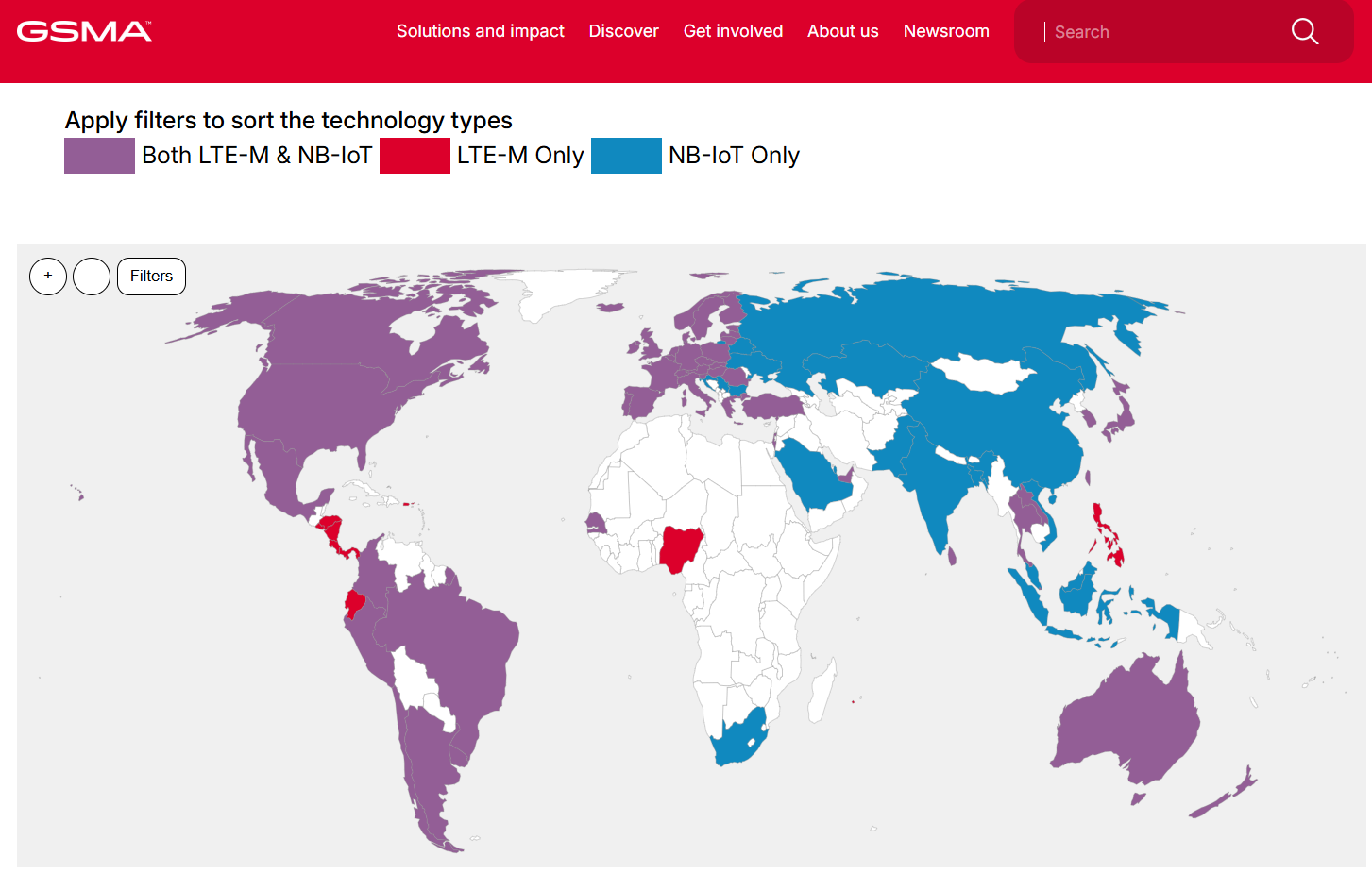
At the same time, Cat-1 and Cat-1 bis have become increasingly attractive. Network support is broader, modem costs have fallen significantly, and higher data rates make firmware updates, diagnostics and advanced applications more practical.
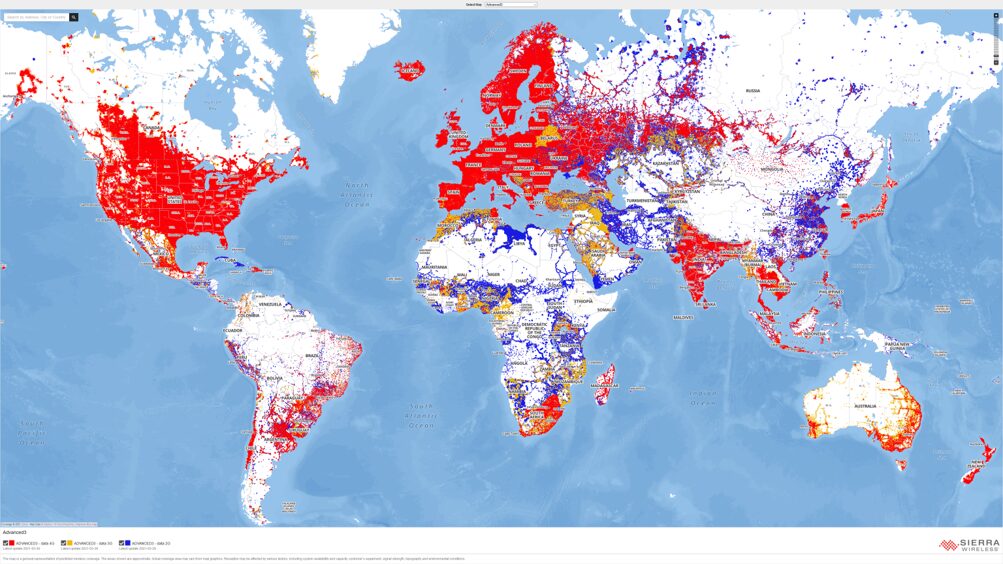
Perhaps the most significant development is the emergence of Direct-to-Cell satellite services from Starlink, AST Mobile and other, many of which are targeting Cat-1 devices. This creates the possibility of a single technology platform supporting both terrestrial and satellite connectivity.

Real-world deployments have also shown that the coverage advantage of Cat-M1 is often smaller than expected, with antenna placement and local network conditions frequently having a greater impact on performance.
As a result, Senquip’s next generation of products is increasingly focused on Cat-1 and Cat-1 bis technologies, providing a simpler path to global deployment while supporting future satellite connectivity.
Supporting Team MurCal in RAAM
Senquip is proud to support Team MurCal as they compete in the 2026 Race Across America (RAAM), widely regarded as one of the world’s toughest endurance cycling events.

The four-person team is attempting to set a new record in the 60–69 age category while also raising funds for educational scholarships and student support programs.
As part of the effort, Senquip ORB devices are being used to provide real-time tracking and telemetry for the team support vehicles. The live tracking system allows supporters to monitor progress across the 4,900 km journey from California to New Jersey while comparing performance against the target record pace.
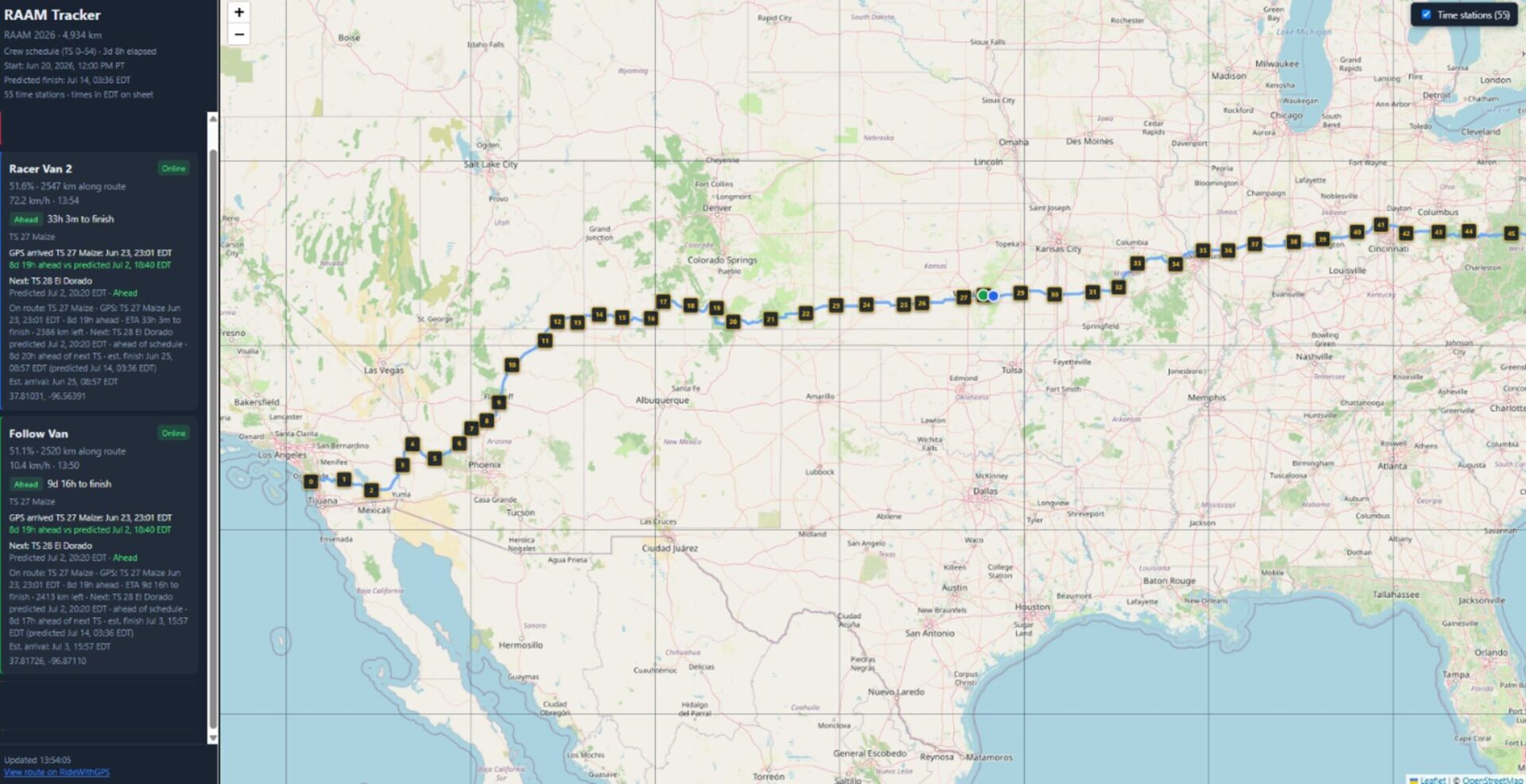
We wish Team MurCal and their crew every success as they take on this extraordinary challenge.